Emerging Technologies
【ERP System Guide 2026】How to choose the right ERP solutions in Hong Kong
1. What is an ERP System?
At its core, an ERP system (Enterprise Resource Planning) is software that acts as the central nervous system of companies. It replaces fragmented tools, like standalone accounting software, separate HR records, and isolated inventory spreadsheets with a single, unified platform. According to 2026 data from Market.us, over 80% of SMEs have transitioned to an ERP system to streamline operations.
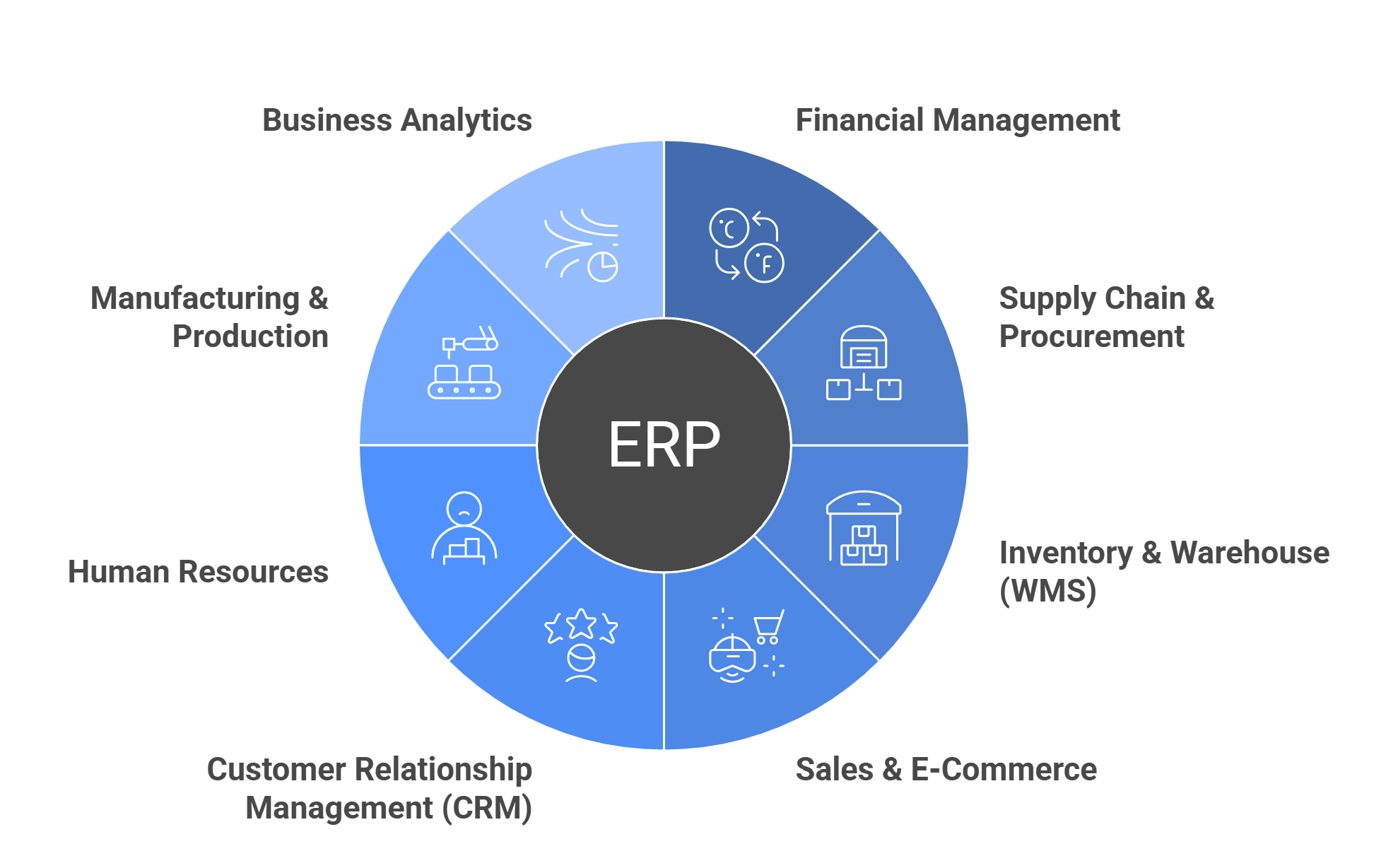
2. "ERP Software" vs. "Cloud ERP"
-
Traditional ERP Software (On-Premise):
- The Old Way: Companies buy a perpetual license and install the ERP software on their own servers.
- The Downside: It requires a high upfront capital investment and a dedicated IT team to manage security patches and updates. It is rigid and often becomes a barrier to agility.
-
Cloud ERP (The New Trend):
- The New Way: Data is hosted on the cloud (e.g. AWS or Azure) and accessed via browser. Market reports from 2025 indicate that cloud ERP deployments now capture 70% of the market.
- Why Businesses Switch:
- Remote Ready: Whether your team is in a co-working space in Central or working from home, they can access the system securely.
- Cost Efficiency: The SaaS model shifts costs to OpEx, freeing up cash flow.
- Always Updated: The software is always running the latest version with the newest features, without expensive upgrade projects.
3. Hong Kong Business Challenge: Managing Cross-Border ERP System
If you are searching for an ERP system in Hong Kong, your requirements are different compared to a company in the US or Europe. Hong Kong businesses often operate as the regional HQ with production or supply chains in Mainland China. A generic ERP system often fails here.
-
Cross-Border Complexity:
Businesses need a system that handles the "One Country, Two Systems" reality. This means simultaneous support for Traditional Chinese (HK) and Simplified Chinese (Mainland) interfaces. -
Regulatory Compliance:
Critical for 2026, your system must integrate with Mainland China’s "Golden Tax System Phase IV" for digital invoicing while simultaneously handling Hong Kong’s accounting standards. -
Multi-Currency Management:
Seamless handling of HKD, RMB, and USD is non-negotiable. The right ERP system automates exchange rate updates and consolidation, saving finance teams hundreds of hours annually.
4. How to Select the Right "ERP Software"?
The market is flooded with vendors promising the world. When evaluating different ERP solutions, look beyond the glossy brochures and ask these 3 critical questions:
-
Is it Scalable?
Your business will change. Good ERP solutions allow you to start small (e.g. just finance and inventory) and add modules (e.g. CRM or E-commerce) as your business grows, without reinstalling the platform. -
Is it Mobile-Friendly?
A desktop-only system is obsolete. Your sales team may need to check inventory on their phones while at a client site, and warehouse staff need mobile scanning capabilities. -
Is there Local Support?
When an error happens during month-end closing, you need a local support team in the Hong Kong time zone, not an automated chatbot.
5. HKT Empowers Your Network Infrastructure to Fit ERP Solutions
-
High-Speed Fibre Connectivity:
We provide business broadband and dedicated internet access with speeds up to 50G, ensuring your cloud applications run smoothly even when the whole office is online. -
SD-WAN for Cross-Border Stability:
For businesses managing cross-border operations, our SD-WAN Solutions optimise traffic between Hong Kong and the Mainland. We ensure your ERP data takes the fastest, most stable path, reducing latency and packet loss significantly compared to standard internet. -
Cybersecurity Shield:
Your ERP system holds your most sensitive data. HKT offers Managed Cybersecurity Solutions to protect your digital assets from ransomware and cyber threats, giving you peace of mind.